|
35 There are 68 days left until CSP 35
September 19 - 21, 2025 Registration starts on 07-15-2025 |
ASNH Events (stargazing, meetings, public events) for July |
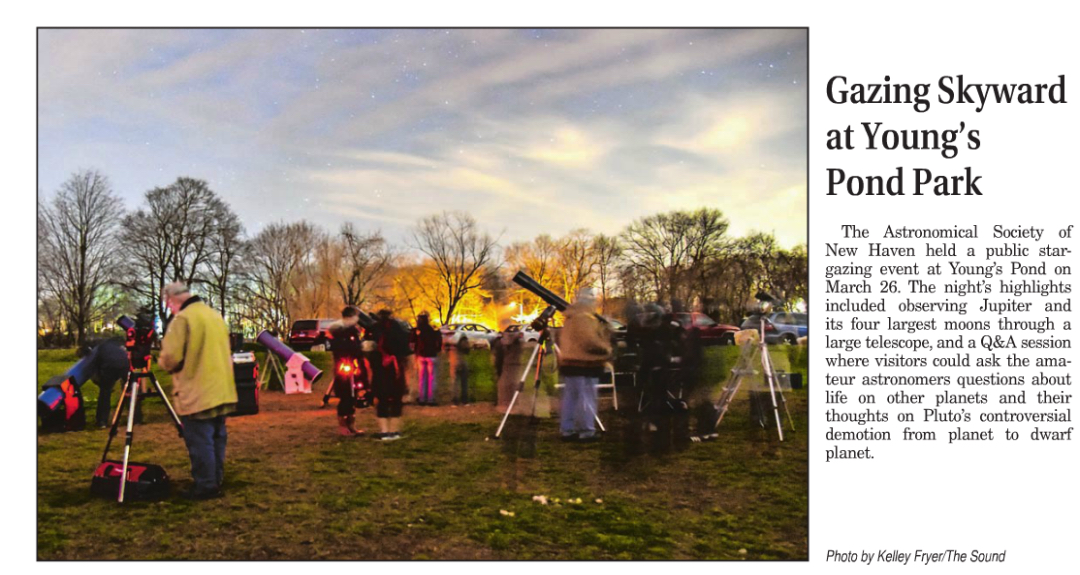
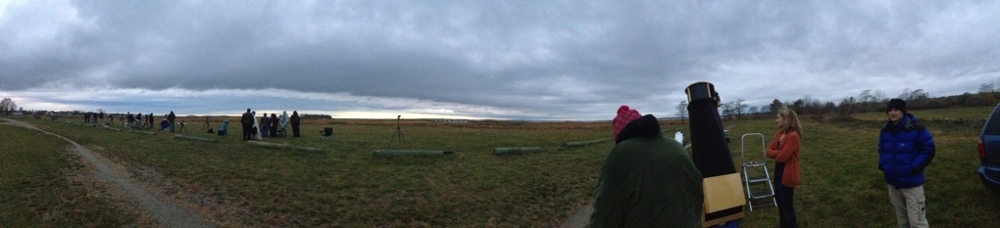
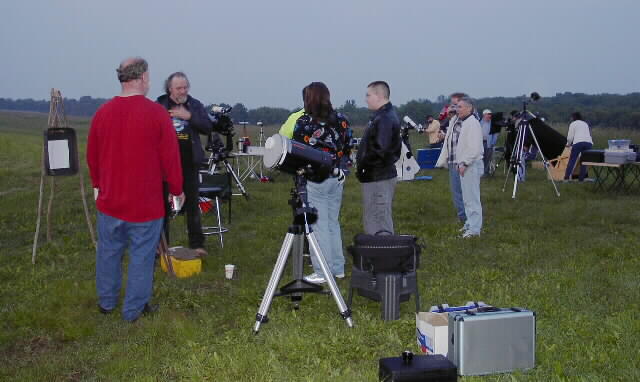
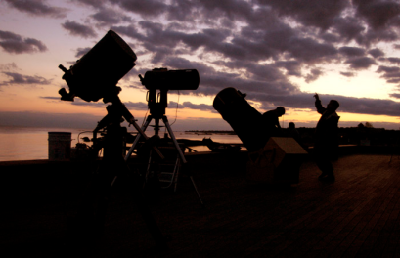
ASNH Events Quick ListView the Full Calendar |
ESO European Southern Observatory ESOcastESOcast SDESOcast is a video podcast series dedicated to bringing you the latest news and research from ESO, the European Southern Observatory. Here we explore the Universe's ultimate frontier. |


CBS News Sunday Morning article Preserving the starry starry night |
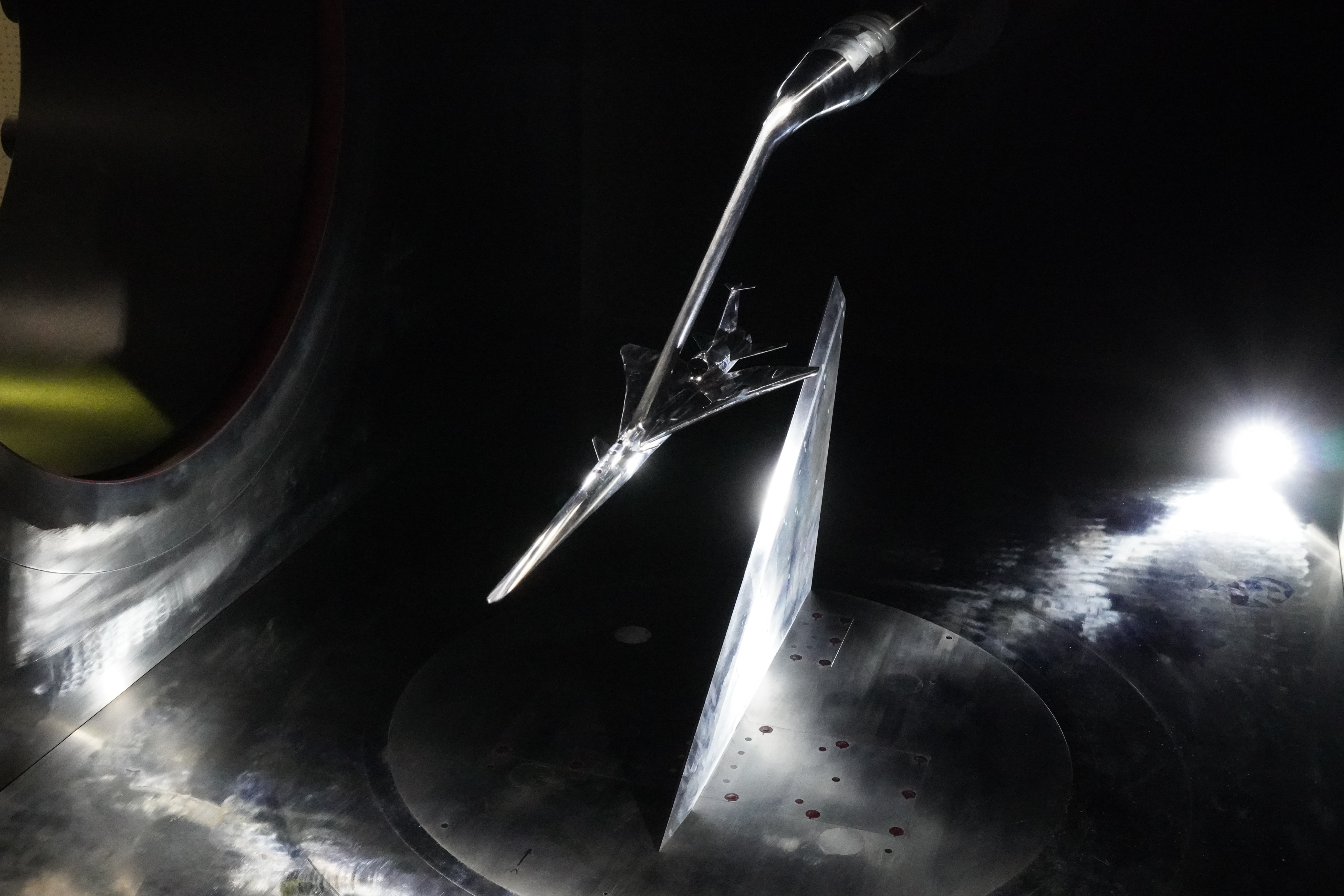
NASA Image Of The DayNASA Image of the DayThe latest NASA "Image of the Day" image.
Researchers from NASA and the Japanese Aerospace Exploration Agency (JAXA) recently tested a scale model of the X-59 experimental aircraft in a supersonic wind tunnel located in Chofu, Japan, to assess the noise audible underneath the aircraft. The test was an important milestone for NASA’s one-of-a-kind X-59, which is designed to fly faster than the speed of sound without causing a loud sonic boom.
|

APOD for TodayAPODAstronomy Picture of the Day |
Astronomy NewsSpace.com News Feed
SpaceX launched a mystery satellite to geostationary transfer orbit from Florida's Space Coast early Sunday morning (July 13).
|


Faces of the Moon A new book by ASNH member Bob Crelin Click the book below for information on the book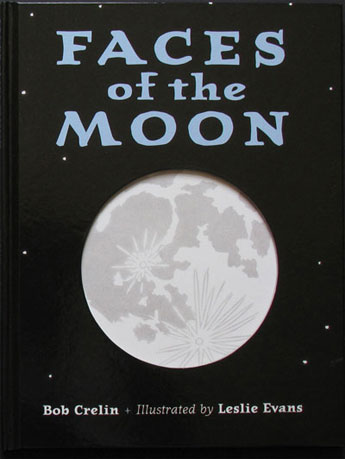
|
There Once Was A Sky Full Of Stars A new book by ASNH member Bob Crelin Click the book below for information on the book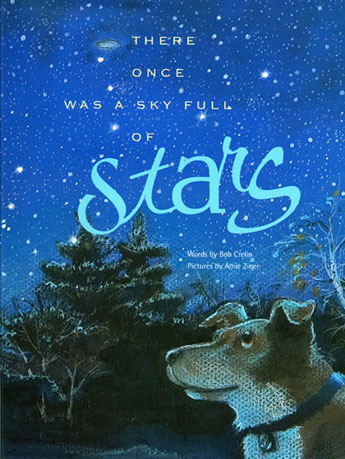
|
The 100 Best Targets for Astrophotography A new book by ASNH member Ruben Kier Click the book below for a review from Springer.com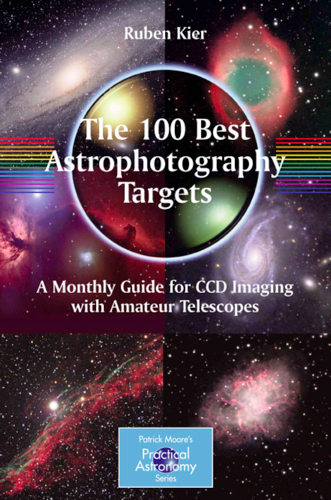
|
Cosmic Perspective Radio Shows
Host
Andy Poniros Cosmic Perspective Radio Shows |