36

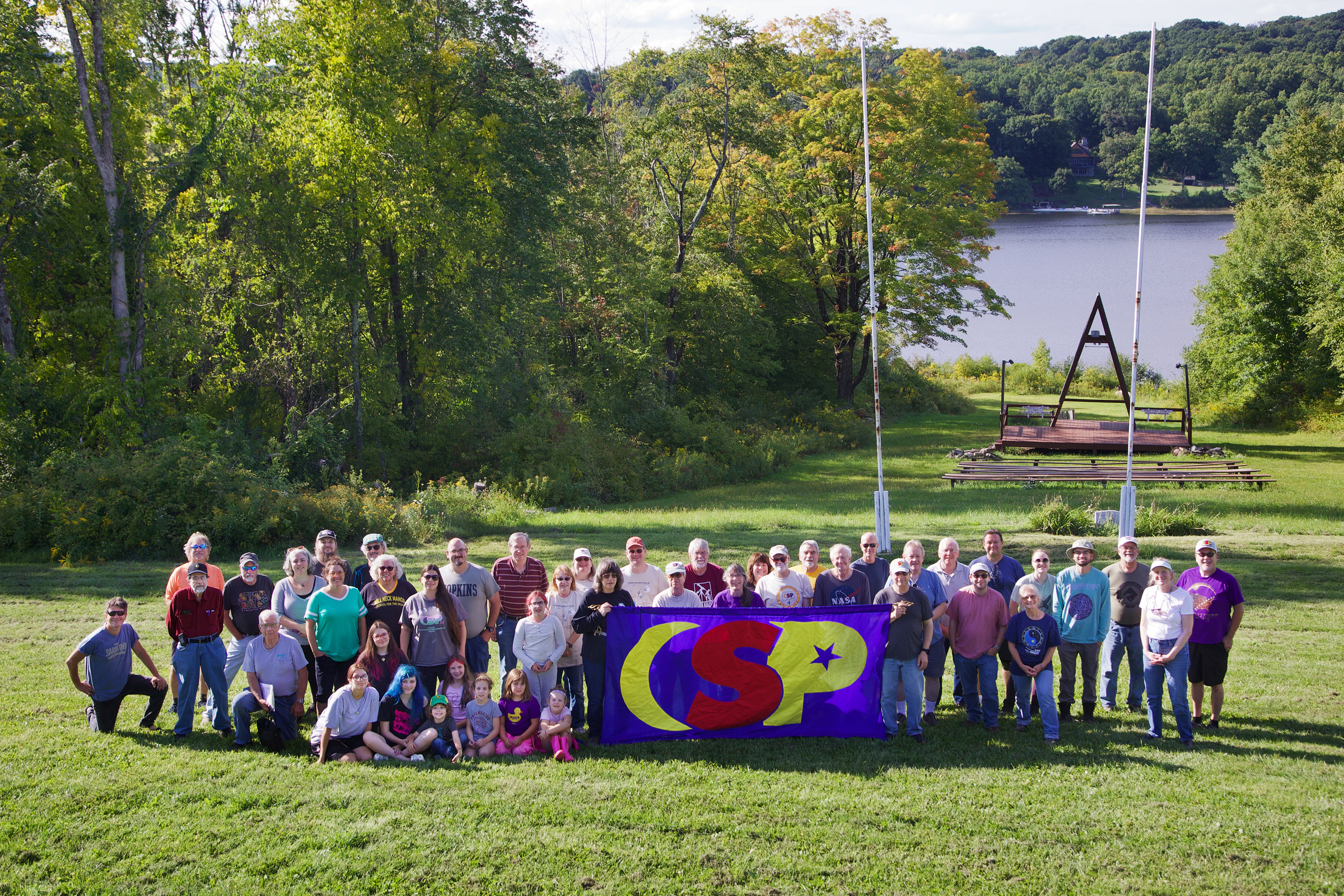
Sign up for CSP now!

Get started by clicking HERE


There are 2 days left until CSP 36
September 11 - 13, 2026
Registration starts on 07/26/2026

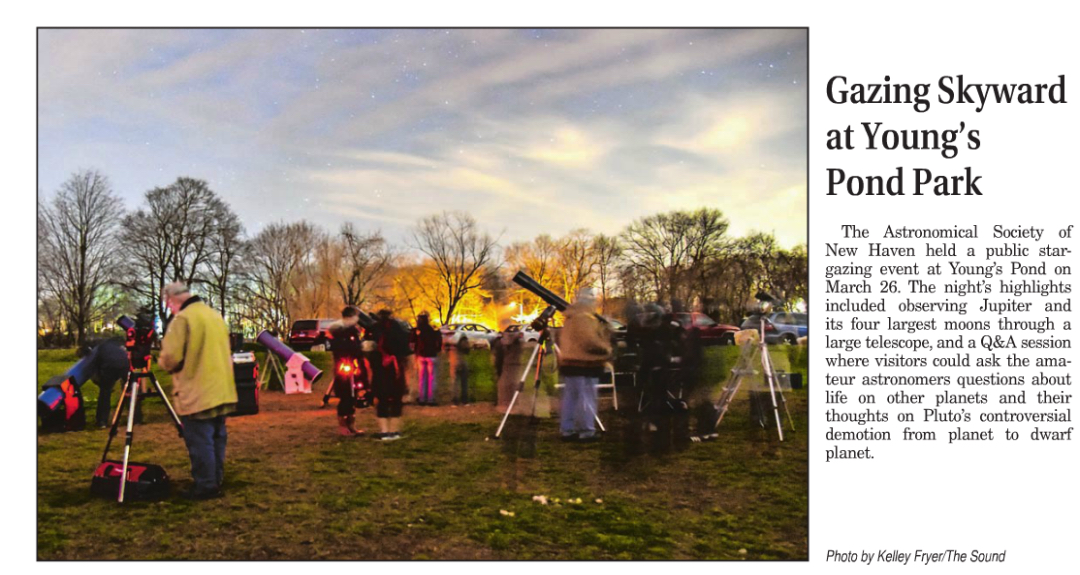
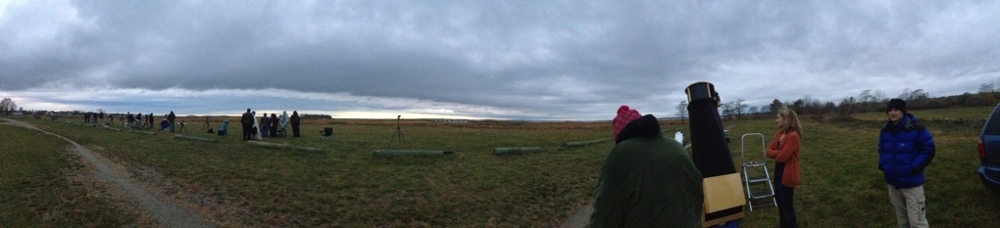
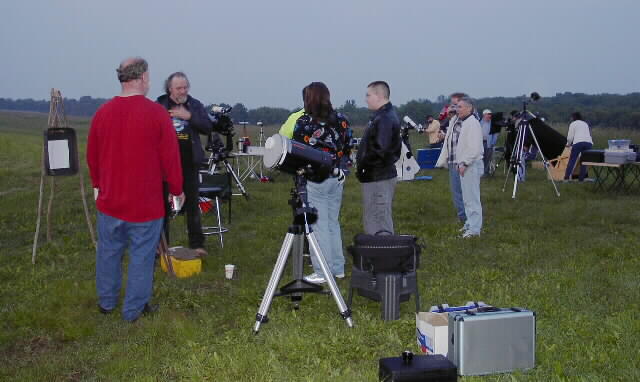
ASNH Events (stargazing, meetings, public events) for September

ASNH Events Quick List

Click the Radio Buttons for Event Information
Events NOT Listed as PUBLIC Need Permission From the Event Holder


Download ASNH Events

View the Full Calendar

Downloadable Outreach Schedule

Download Schedule (PDF)


ESO European Southern Observatory ESOcast

ESOcast SD


Clearest image ever of Betelgeuse’s companion | ESO News

Posted on: 28 Jul 2026, 8:00 am


Astronomers have finally obtained firm evidence that Betelgeuse, a famous star in the Orion constellation, is not alone. Using ESO’s Very Large Telescope (VLT) they have obtained the clearest image ever of what likely is Betelgeuse B, a star orbiting Betelgeuse and which could explain some of its brightness variations. This video summarises the discovery.

NASA Image Of The Day

NASA Image of the Day

The latest NASA "Image of the Day" image.

Superbubble in the Large Magellanic Cloud
8 Sep 2026

N44 is a complex nebula filled with glowing hydrogen gas, dark lanes of dust, massive stars, and many populations of stars of different ages. One of its most distinctive features, however, is the dark, starry gap called a “superbubble,” visible in this Hubble Space Telescope image in the upper central region.

Superbubble in the Large Magellanic Cloud

Lunar Occultation of Venus
4 Sep 2026

On Wednesday, June 17, skywatchers across the United States—and parts of Canada—enjoyed a rare event: a daytime lunar occultation of Venus. A lunar occultation occurs when the Moon moves directly in front of another celestial object from our viewpoint on Earth, briefly hiding it from sight.

Lunar Occultation of Venus

APOD for Today

Astronomy Picture of the Day

APOD

Is this star winking at us? The central object in

APOD

Why are Saturn’s poles geometric?

Astronomy News

Space.com News Feed

Favicon China on track to launch Mars sample-return mission in 2028: 'If accurate, this represents a Sputnik moment'

China is making progress on its Tianwen 3 Mars sample-return mission, which aims to launch in 2028 and return a collection of Red Planet dirt and rock to Earth in 2031.

Favicon Did Venus eat its own moon?

Scientists may finally know why Venus, Earth's twin, lacks a moon, finding that the hottest planet in the solar system may have consumed its own natural satellite.

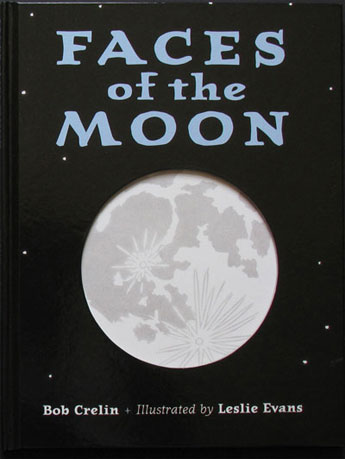
Faces of the Moon A new book by ASNH member Bob Crelin Click the book below for information on the book
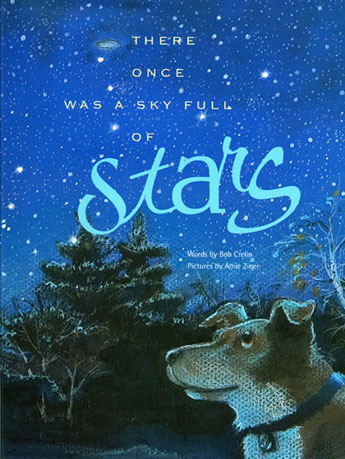
There Once Was A Sky Full Of Stars A new book by ASNH member Bob Crelin Click the book below for information on the book
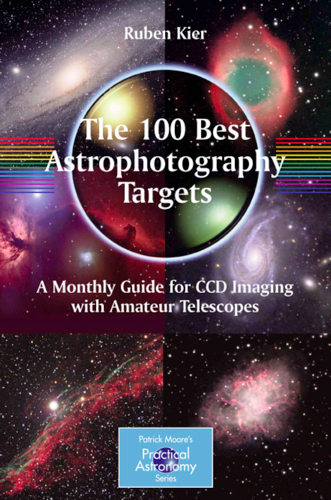
The 100 Best Targets for Astrophotography A new book by ASNH member Ruben Kier Click the book below for a review from Springer.com